· Nicholas Nadeau · Technology · 4 min read
Banana Pancakes: Digital Safety Is the New Shop Class
When I was a kid, my family had a code word for emergencies. AI can now clone a voice from a few seconds of audio, so every family needs one again. Pick yours over dessert this weekend.
When I was a kid in the 90s, my family had a code word. If there was an emergency and a grandparent, an aunt or uncle, a cousin or a family friend had to pick me up instead of my parents, they had to say it. This was before cell phones, even before pagers in a lot of ways. The code word told me it was a safe pickup.
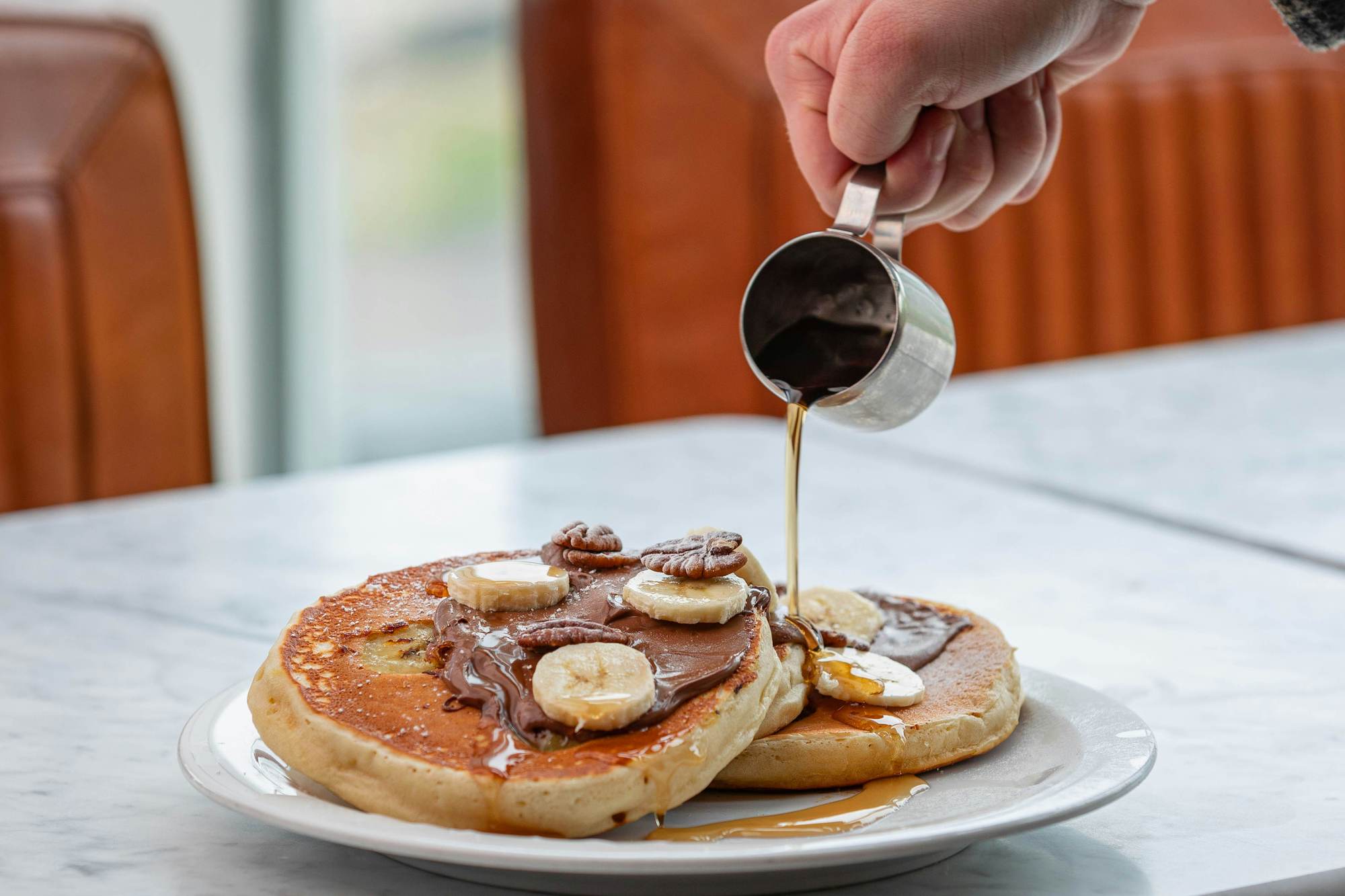
I think every family needs one again. Something silly, like banana pancakes.
We have to get back to analog ideas like this. Digital safety has to become what home ec or shop class used to be: basic, day-to-day practical skills that everyone learns. The code word is lesson one.
Look at my own grandmother. Her email got hacked recently, and the whole family started getting messages from her address asking us to buy Amazon gift cards. A very standard hacking job. When we explained it to her, she didn’t care. Not out of apathy. She didn’t realize that her email is the central point for her family, her bank, her insurance and every other login. Whoever gets into your email can reset everything else.
Nobody in my family got caught. We’re all decently IT aware. But my brother did reply. He thought she wanted Amazon stuff and asked what she’d like for her birthday. A code word works in a text or an email too. He could have asked for it.
That scam was clumsy. AI changes that. I build AI for a living. At Onix, we build small, private AI models from the knowledge of real health experts, so I know how cheap and good this technology has become. Democratization of access can be a great thing. But it has also been democratized to the bad stuff. The same AI that answers customer service calls and builds movie scenes is now in the hands of scammers, and with automation and agents, one scammer can reach millions of people. Alibaba’s free Qwen3-TTS model says it can clone a voice from as little as 3 seconds of audio. Think of all the videos people post of themselves and their kids on Instagram.
Scammers create panic on purpose. They flood your phone with password reset alerts, then call with a voice you know: “I’m in jail, wire me money.” Over a grainy phone line, in a moment of dread, good enough is enough. Ask for the code word. The FBI tells families to do the same. A silly, out-of-nowhere word like banana pancakes grounds you in the moment, so you can ask: is this real?
The code word has one more strength. It still works after a company leaks your data, because it was never stored anywhere. And companies do leak. Just this month, Bell in Canada was breached by what it called an “agentic” threat actor, and Bell says customer names, addresses and account numbers may have been exposed. 1Password, one of the companies we trust with our passwords, had customer names and emails stolen, though the passwords themselves were safe.
We can’t put all of this on Grandma. Companies, starting with our email and phone providers, have to do better than piling on more PINs that people end up reusing everywhere. It costs money in the short term, but it pays back in less fraud and less support overhead. Onix is a small company, and we did HIPAA compliance and SOC 2. Governments should make a baseline like that the floor for everyone: encryption and low data collection. Why do companies have all this information in the first place? If a company doesn’t hold your data, it can’t leak it.
Shop class also fed the trades, and this can too. Alex Stamos, CISO at Cognition, has called for a “911 for internet crime” to fill the gap between local police and the FBI, staffed by young people who like video games. I’d extend it to Canada, between local police and the RCMP, and down to the province and state level. It could give work to young people who would never be police officers carrying guns, but who love computers, games and hacking. Protecting people online could be a new trade job.
But the first class happens at home. This Thanksgiving weekend, pick your code word over dessert. Don’t play IT. Just talk about it. Go as deep as your family wants, and ask people how they feel.
Pick your banana pancakes.