· Nicholas Nadeau · Startup · 3 min read
Onix Introduces Personal Intelligence: AI Built on Trusted Experts, Not the Average Internet
Onix launched Personal Intelligence, a new category of AI trained on the licensed work of individual experts, with conversations encrypted and stored on your own device.
Onix launched Personal Intelligence® today, and after months of building toward this, I’m glad it’s finally out in the world.
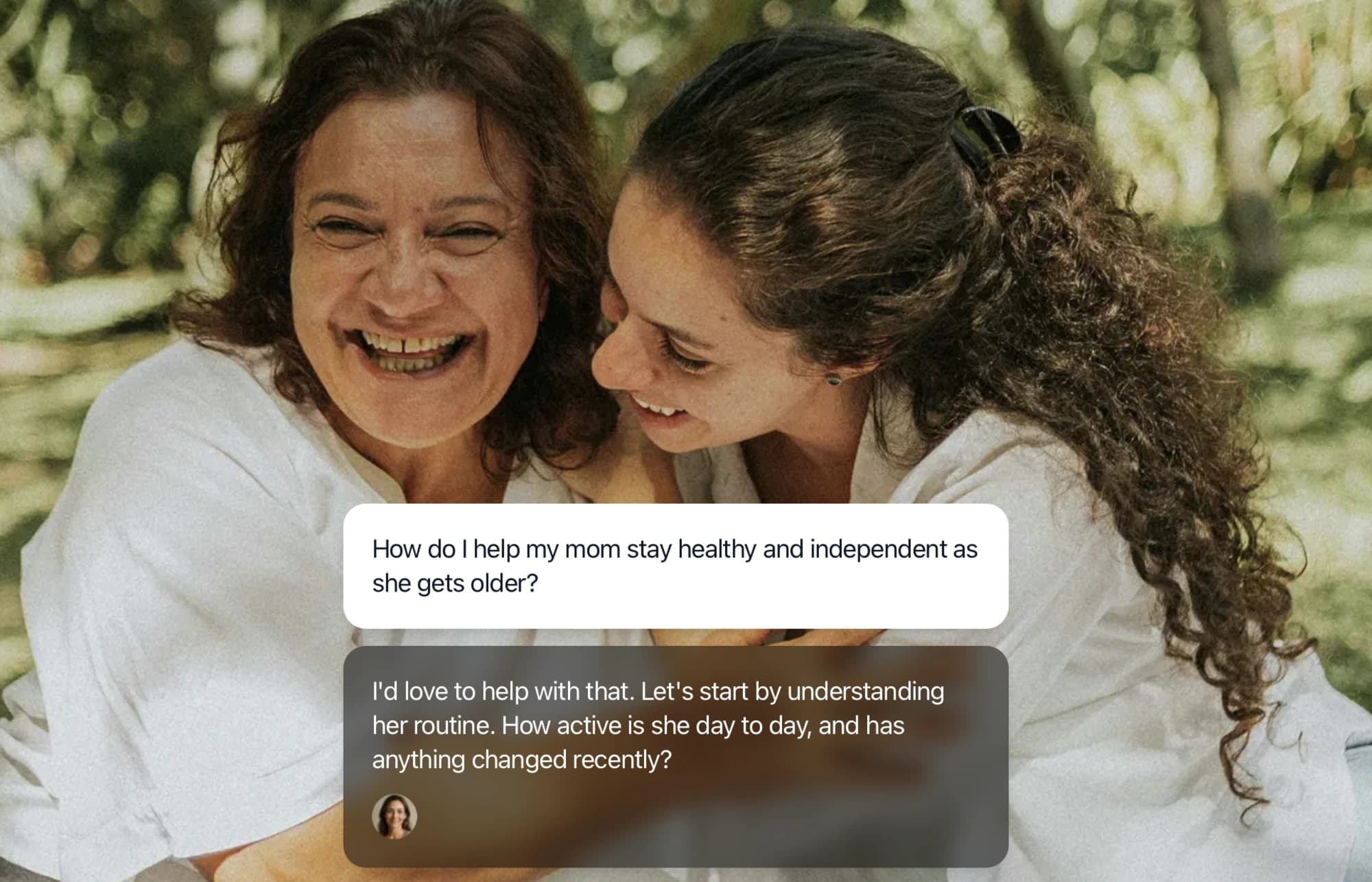
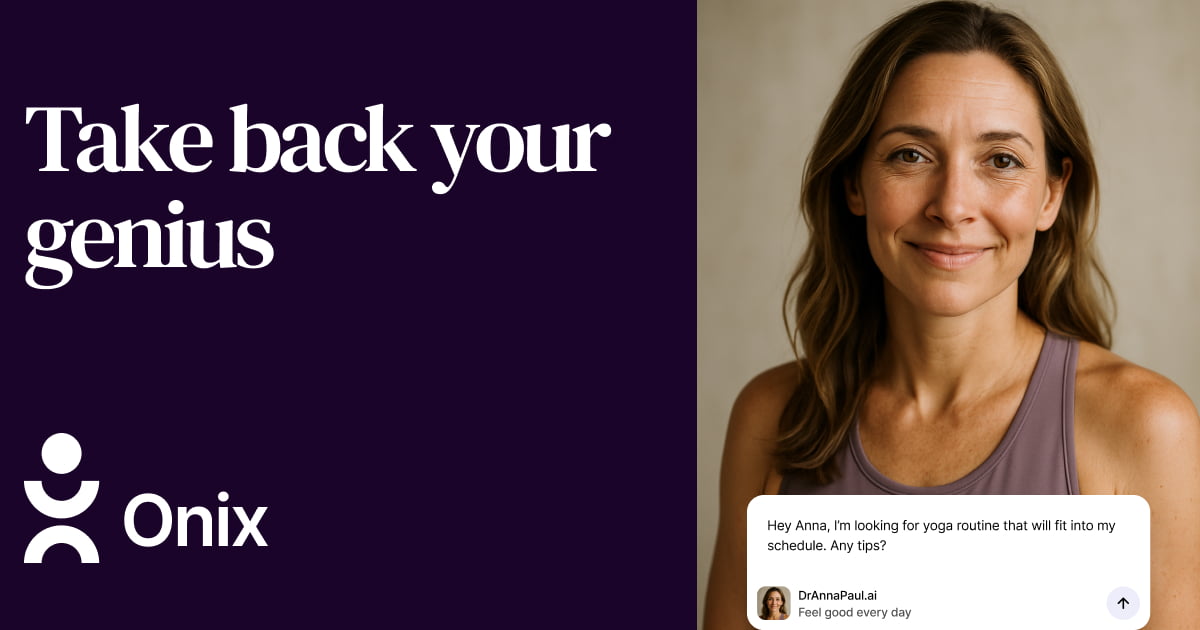
The premise is simple: instead of one model trained on the entire internet, you subscribe to a dedicated intelligence system trained only on an individual expert’s licensed research and intellectual property. In many cases that includes proprietary frameworks and materials that were never broadly available online. You get that specific expert’s point of view, not the internet’s average answer, and because each conversation builds on the last, the guidance compounds as your own context changes.
The Bottleneck Isn’t Compute
This is the part I keep coming back to, and it’s what I said in the release:
Everyone in AI is racing to build bigger models. They’re solving the wrong problem. The real bottleneck isn’t compute. It’s trust. People won’t share what actually matters with a system that’s watching. We built Onix so the system can’t watch, even if we wanted to.
That last clause is the engineering commitment, not a marketing line. Conversations are end-to-end encrypted and stored locally on the user’s device, so they aren’t centrally logged or monetized. Personal information lives in a personal data vault that neither Onix nor the expert can open. The only user data Onix holds is an email address. When you architect it that way, honest questions become safe to ask, because there’s nothing sitting in a database waiting to be subpoenaed, leaked, or sold.
The timing isn’t incidental. A 2026 study by The Angus Reid Forum USA found that only 44% of Americans say they trust AI in healthcare, down from 52% in 2024, and that decline is happening precisely as centralized AI becomes a default first stop for health and mental health questions. Capability is racing ahead while trust moves the other way.
Starting in Health and Wellness
We launched first in health and wellness, which is the hardest place to start and the reason we started there. Onix is designed to complement expert guidance rather than replace clinical care, with safeguards that redirect high-risk situations to appropriate medical services. The platform is HIPAA compliant.
The Founding Expert cohort includes William Li, MD, known for his research on angiogenesis and the role of food in the body’s health defense systems, and Jeffrey Bland, PhD, the biochemist widely recognized as the father of functional medicine. Also in the first wave: Jordan Metzl, MD; Michael Rich, MD; Dave Rabin, MD; Jill Carnahan, MD; Krista Ramonas, MD; Joel “Gator” Warsh, MD; Kwadwo Kyeremanteng, MD; Elissa Epel, PhD; Nicole Beurkens, PhD; Meenal Agarwal, OD; Christian Drapeau, MSc; Juliana Hauser, LMFT; Ashley Koff, RD; McCall McPherson, PA-C; and Mark Sisson.
Each of them builds their system from their own frameworks and materials, under explicit permission and governance. That matters in both directions: experts scale their work without surrendering their IP to a centralized platform, and users know whose thinking they’re actually getting.
Available Now
Onix is available on iOS at launch, with Android to follow. You can find it at onix.life.
We’re not claiming to have solved trust. We’ve tried to build a system where you don’t have to extend much of it, because the architecture removes what there is to betray.